About Approach Contact
Our Approach

Long-Term Thinking

Holding periods, review cycle and turnover.

The office plans in decades. Earnings results, macro data and sector rotation are not triggers to act; the portfolio is built to be held through market cycles.

What the horizon allows

There is no redemption date, so no position has to be sold at quarter end. Property and credit income covers operating costs. Costs, fees and taxes are measured over the holding period rather than the financial year.

Annual review

Every position is reviewed at least annually against the thesis recorded at purchase. If the thesis no longer holds, the position is sold.

Portfolio

Portfolio

A concentrated equity book and a real assets sleeve, both held without a scheduled exit.
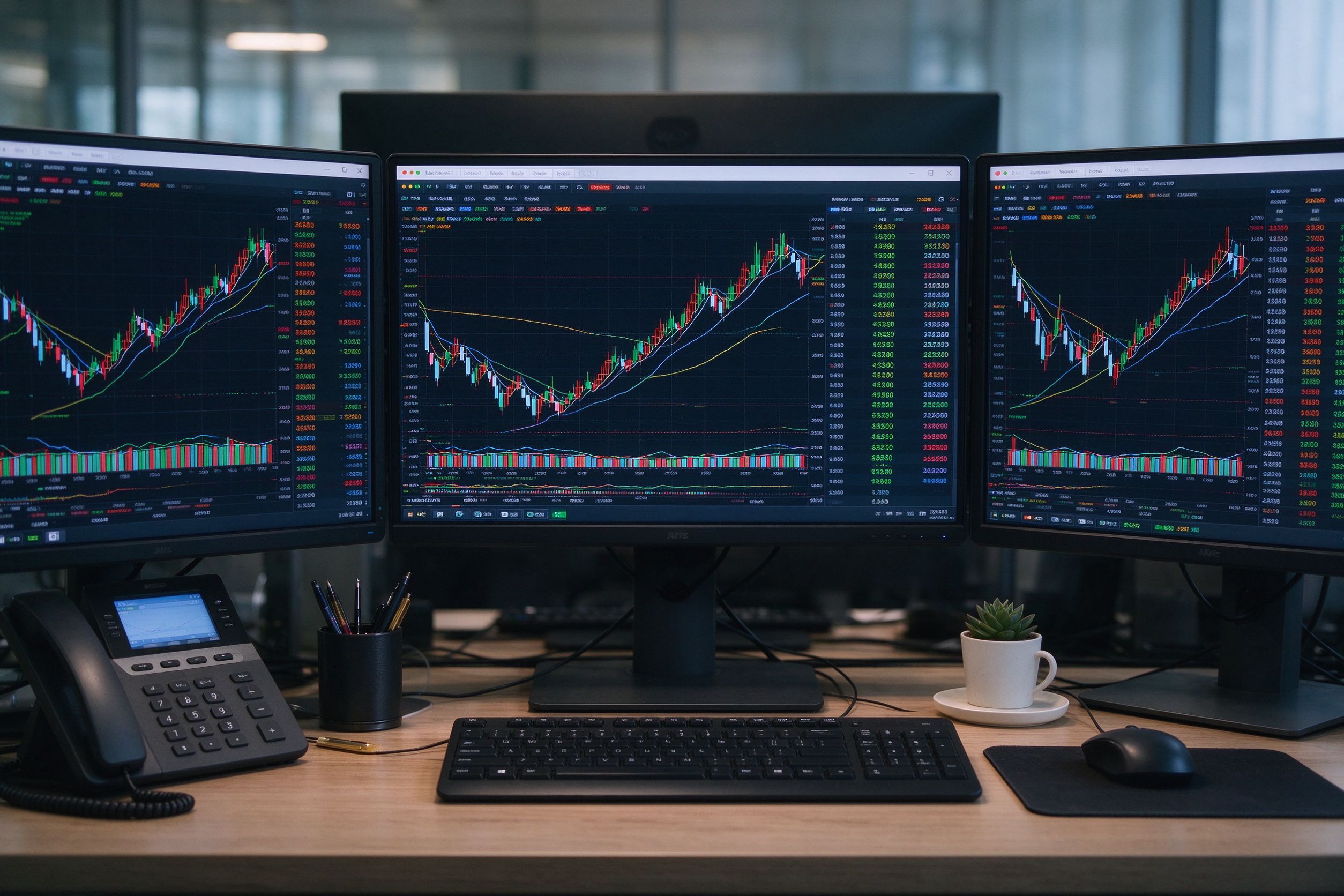
What the Horizon Changes

What the horizon changes

A fall in price does not require a sale, because there is no redemption date.

Cash flows arriving in later years can be underwritten because the office expects to still hold the asset.

Property and credit income covers operating costs and commitments.

Low turnover defers tax on realised gains.

Assets are selected on their own economics rather than on what is currently in favour.

The Review Cycle

The review cycle

The steps applied to each holding from purchase onward.

Purchase

The thesis is written down

Each position is entered with a written record of what the asset is expected to produce and what would prove that wrong.

Year 1

First annual review

The position is tested against the thesis. The test is whether the facts the thesis depended on are still true.

Years 2–5

Income compounds, turnover stays near zero

Dividends, rent and interest accumulate. No action is taken unless the thesis changes or the price moves above the estimate of value.

Year 5+

Review against alternative uses of capital

A long-held position is compared with what the same capital could do elsewhere, not with its purchase price.

Long-Term Thinking

Horizon and review

How the horizon affects valuation, turnover, tax and the risk of holding a thesis too long.

The planning unit is a decade. Positions are bought on the assumption they will be held through several cycles, and costs, taxes and fees are measured over that period.

The portfolio is built to be passed to the next generation as a set of holdings.

The annual review tests whether the facts the thesis depended on are still true, not whether the price has moved.

The horizon sets how long a position is expected to be held, not how closely it is watched.

Rental and interest income covers operating costs and commitments, so the equity book is not used as a source of liquidity.

Income covers costs during periods when no new position meets the valuation threshold.

Valuation is assessed at purchase and at review rather than daily. Assets that do not clear the threshold are declined, and positions are sold when price moves above the estimate of value.

The horizon changes how often valuation is assessed, not whether it is assessed.

Costs and taxes are measured over the holding period. Turnover is kept low because realising gains brings tax forward.

External managers are paid on assets under management only. Overhead is kept low.